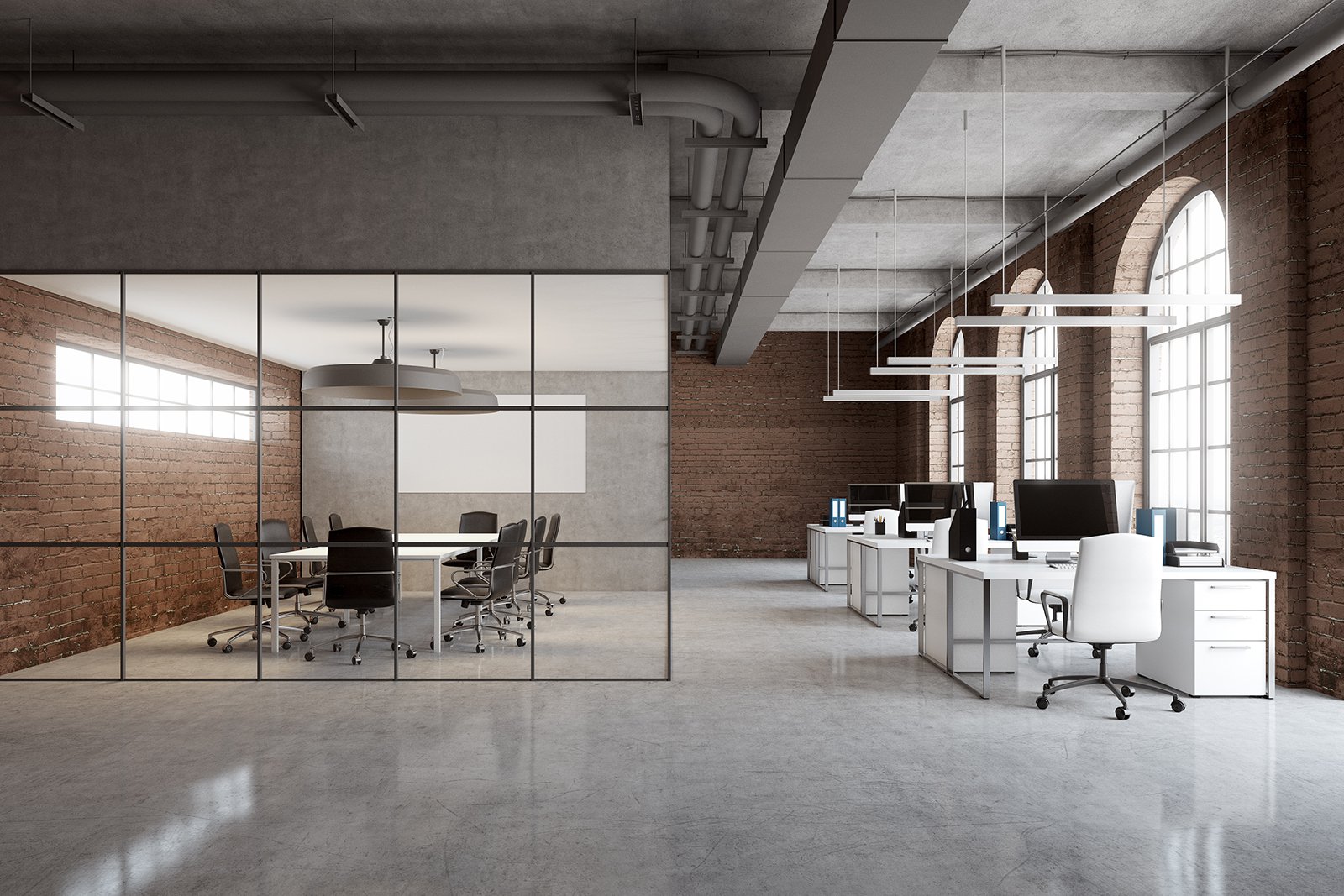
Interior design is more than arranging furniture or picking paint colors—it’s about shaping experiences, emotions, and functionality within a space. Whether you’re a homeowner, a creative professional, or simply someone who loves beautiful environments, here are five brilliant ways to reimagine how you conceptualise interior design.
To conceptualise interior design is to align aesthetics with purpose—every choice must serve both beauty and function.
Quote
1. Think in Stories, Not Just Styles
Every room tells a story. Instead of starting with a “theme” (like modern or rustic), ask: What narrative do I want this space to express?
- A living room could tell the story of family connection, with warm tones and layered seating.
- A bedroom might narrate tranquility, using soft textures and muted palettes. By framing design as storytelling, you create spaces that feel personal and memorable.
2. Design Around Human Flow 🚶
Interior design isn’t static—it’s about movement. Consider how people enter, pause, and interact in a space.
- Map out “zones” for activity (work, relaxation, socializing).
- Use furniture placement to guide natural pathways.
- Think about sightlines—what do you see first when you walk in? This approach ensures spaces are not only beautiful but intuitive and functional.
3. Play with Contrast and Balance ⚖️
Great design often emerges from tension. Pair opposites to create intrigue:
- Rough stone against sleek glass.
- Bold colors balanced with neutral tones.
- Vintage pieces alongside contemporary accents. The key is balance—contrast should spark interest without overwhelming the senses.
4. Use Nature as a Blueprint 🌿
Biophilic design is more than adding plants—it’s about mimicking nature’s patterns.
- Incorporate organic shapes (arches, curves).
- Use natural materials like wood, stone, or linen.
- Play with light the way nature does—layered, shifting, and dynamic. Spaces inspired by nature feel restorative and timeless.
5. Design for Emotion, Not Just Function 💡
Ask yourself: How should this space make people feel?
- Calm? Use soft lighting, muted colors, and plush textures.
- Energized? Opt for bold hues, sharp lines, and dynamic layouts.
- Inspired? Showcase art, unexpected details, or playful design elements. By prioritizing emotion, you elevate design from practical arrangement to transformative experience.
Final Thoughts
Conceptualising interior design is about more than aesthetics—it’s about creating environments that resonate with human stories, movement, and emotions. When you think beyond “style” and embrace narrative, flow, contrast, nature, and feeling, you unlock the true artistry of design.
Related posts
Most Significant Projects of 2025
2025 was a productive year for Smart Concepts. We began some projects and made serious headway on on …
Interior Decoration Mistakes That Most People Make
Most people unknowingly make interior decoration mistakes that leave their homes feeling cluttered, …